

Industrial Mayonnaise Processing Plants & Production Lines
ProXES delivers complete mayonnaise processing plants and production lines – from ingredient dosing to filling-ready product. Our systems ensure consistent quality, high efficiency, and reliable results across all production stages. Whether producing classic, vegan, or customized recipes, we support you with advanced technology and expert know-how to optimize your processes.
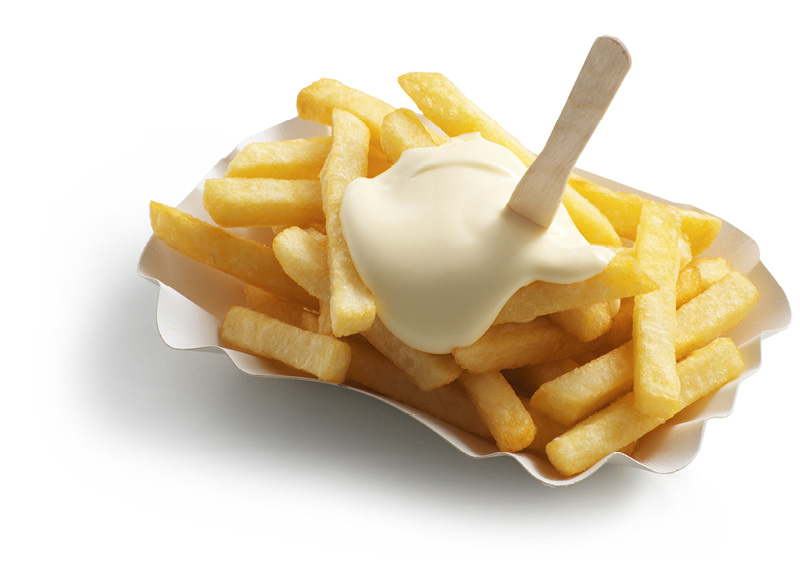
Why choose ProXES for mayonnaise processing?
- High Quality - Gentle processing for optimum texture and taste
- Efficiency - Reduced production times and high throughput, shelf life up to 21 days
- Flexibility - Adaptable to different recipes and production volumes
- Sustainability - Energy-efficient processes and reduced operating costs
How Is Mayonnaise Made in Factories?
In factories, mayonnaise is produced as a stable oil-in-water emulsion on dedicated processing lines. During industrial production, the oil phase is dispersed into tiny droplets between 2 and 10 microns in size - with the majority ideally around 3 to 4 microns. To create these droplets, significant mechanical energy is required, typically applied through high-shear mixing in a rotor-stator system. Without that shear force, the oil droplets would simply recombine over time and the product would separate.
To keep the emulsion stable, an emulsifier is needed. The emulsifier has both an oily and an aqueous side: the oily part penetrates the oil droplet, while the aqueous side faces the surrounding water phase. This is what keeps the emulsion stable and gives mayonnaise its characteristic high viscosity.
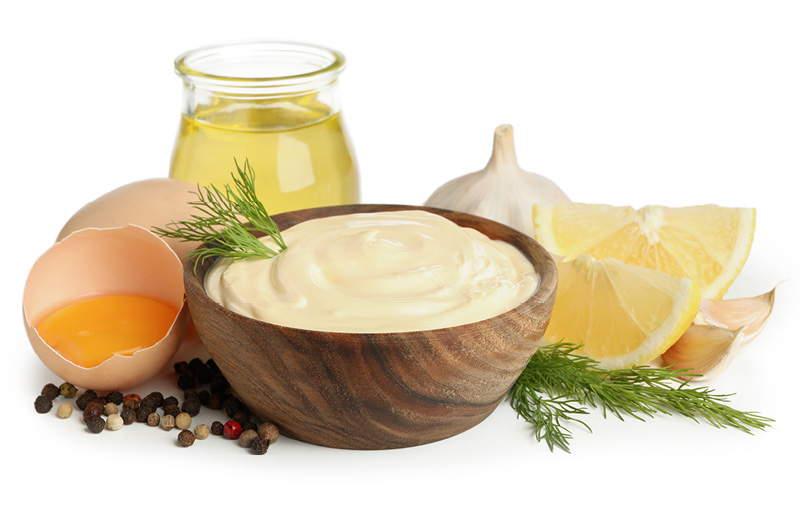
The emulsifier in classic mayonnaise is mainly lecithin, sourced from egg yolk. Full-fat mayonnaise contains 8–10% egg yolk, 79–80% oil, plus vinegar, sugar, salt, and mustard - and no further binding agents. Because of this, full-fat mayonnaise is fully dependent on the stability of the emulsion. In medium and low-fat variants, the water phase is instead bound by starch and/or gums (e.g. xanthan gum), which take over part of the egg yolk's role.
Did You Know?
The classic mayonnaise recipe is believed to have been invented in 1756 during a siege on the French island of Menorca. French chefs improvised with oil, egg yolk, and vinegar when cream was unavailable.
Today, modern machines can produce up to 10,000 liters of mayonnaise per hour—efficient, precise, and delicious!
How Mayonnaise Is Produced - Step by Step
Industrial mayonnaise production in a modern processing plant follows these core steps:
- Ingredient preparation: weighing and dosing of water, vinegar, egg yolk (or plant-based lecithin), mustard, salt, sugar, and stabilizers
- Pre-mixing of the aqueous phase: dissolving water-soluble ingredients into a homogeneous base
- Oil dosing: the critical step. Oil is added at controlled rates of up to 3 kg/s, directly influencing batch time and emulsion quality
- High-shear emulsification: the oil phase is broken down into 2–10 micron droplets using a rotor-stator homogenizer
- Homogenization & fine-tuning: droplet size is refined and the emulsion is stabilized
- Cooling (if hot process): rapid cooling preserves texture and extends shelf life
- Filling & packaging: transfer to filling lines for jars, tubes, pouches, or bulk containers
For low-fat mayonnaise, an additional step is required: starch or hydrocolloid preparation, typically handled by a dedicated module like CuliFlex, which gently cooks and incorporates starches into the mix.
Watch how industrial mayonnaise is made on a ProXES processing line, from ingredient dosing and high-shear emulsification to the finished, stable oil-in-water emulsion.
How to produce mayonnaise
Mayonnaise Production Lines: Hot vs. Cold
With ProXES, you have full flexibility to adapt your mayonnaise production to your exact requirements—whether through hot or cold production methods. Our state-of-the-art machines, including our ProxxD and Combitherm, ensure optimal results regardless of the chosen method. Together, we’ll optimize your processes to meet your specific needs, whether for regulatory compliance or market preferences.
Benefits of Cold Processing
- Simple manufacturing process with raw ingredients
- Energy efficient (no heating, coolingor steam)
- Low initial investment
- Low maintenance, low cost of ownership
Key Challenges in Mayonnaise Production
Running an industrial mayonnaise processing plant means balancing speed, consistency, and flexibility – all at once. Time pressure, strict quality requirements, and the need to adapt to market trends create significant challenges for manufacturers. The main issues our customers face:
- Time pressure and throughput: growing demand forces manufacturers to shorten batch times without losing quality. A high oil dosing rate (up to 3 kg/s) is one of the most effective levers to increase throughput and energy efficiency per batch
- Emulsion stability: inconsistent droplet size leads to phase separation, oil release, and shortened shelf life. Precise control of shear and homogenization is essential
- Air incorporation: trapped air causes oxidation, off-flavors, and reduced shelf life. Vacuum processing (e.g. via Vacutherm) prevents this and ensures a homogenous emulsion with consistent density
- Recipe flexibility: consumer trends (vegan, low-fat, clean-label, allergen-free) demand systems that handle both traditional and modern formulations without retooling
- Hot vs. cold processing: different markets and regulations favor different methods. Equipment must support both seamlessly
- Scaling from R&D to production: a recipe that works in the lab has to survive the jump to 6,000 kg/h without losing its character
- Energy consumption: modern systems like the ProxxD reduce specific energy input to around 5 kWh/ton, a key factor for both cost and sustainability targets
Industrial Mayonnaise Machines & Production Line Equipment
Every ProXES mayonnaise processing plant is built from proven industrial mayonnaise machines that set new standards in producing high-quality emulsions. The combination of ProxxD and CuliFlex creates a highly efficient continuous processing line capable of producing both full-fat and low-fat mayonnaise. Depending on your capacity, recipe, and process preferences, we offer the following solutions:
-
Proxx DHigh-Efficiency Emulsification

The ProxxD is a multifunctional processing unit designed for high-quality emulsions and suspensions. It increases production capacity significantly while reducing energy consumption per kilogram of product. Its intuitive operation and programmable process parameters ensure consistent, reproducible results.
- CuliFlexVersatile Continuous Processing
-
MicroCutPrecision Cutting and Homogenization
MicroCut ensures ultra-fine cutting and precise homogenization, which is crucial for achieving a stable and smooth mayonnaise texture. Its high shear technology guarantees uniform particle size and consistent product quality.
-
VacuthermVacuum Processing for Maximum Quality
The Vacutherm system provides vacuum processing to prevent air incorporation, ensuring a homogenous emulsion and extended product shelf life. This system is ideal for both mayonnaise and emulsified sauces, maintaining consistent product density.
-
CombithermLarge Batch Processing with Direct Heating
Combitherm units are designed for large-scale production, offering a usable volume of up to 1,200 liters and hourly outputs of up to 3,600 kg/h. They support both direct steam injection and indirect heating, ensuring fast and gentle processing with minimal energy loss.
-
Stephan Universal MachineCompact and Flexible
Stephan Universal Machines are perfect for small to medium batch production, with capacities of up to 1,000 kg/h. They excel in both hot and cold processing and offer a high level of flexibility for various product types.
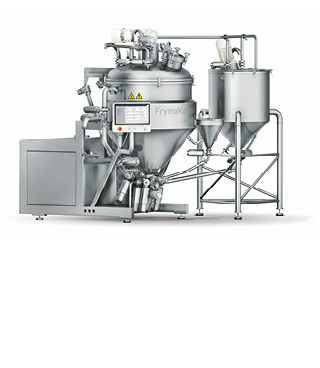
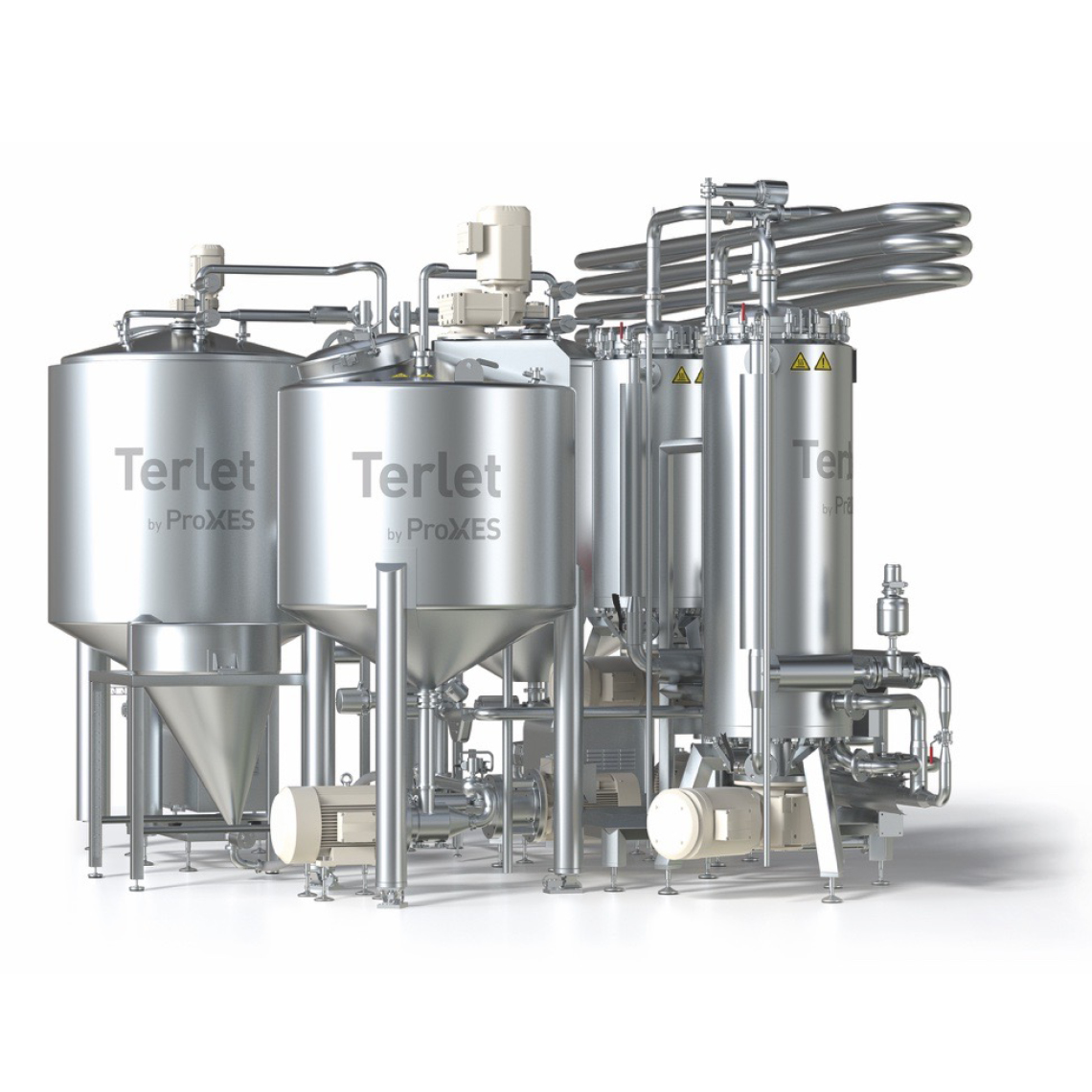
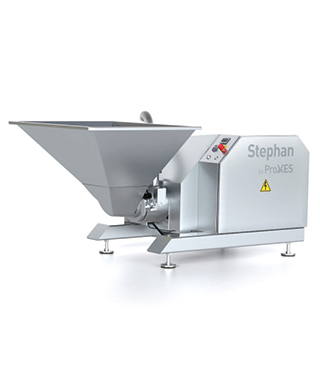
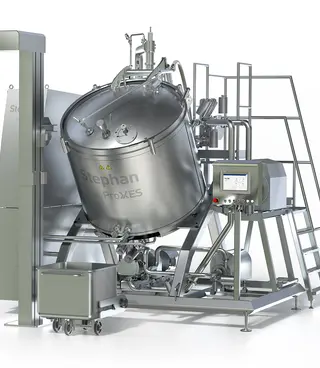
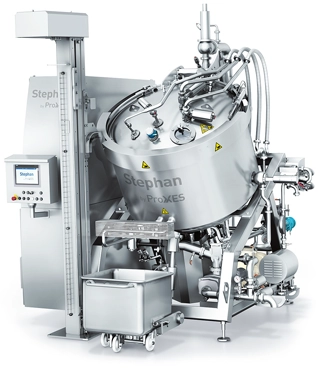
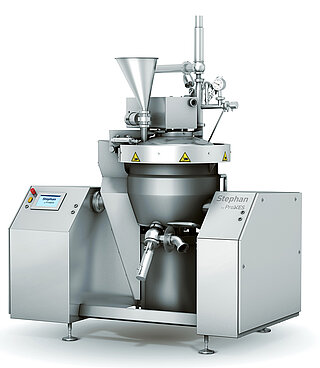
Every line can be extended with modular technology, so your mayonnaise plant grows with your product portfolio - whether that means adding vegan variants, low-fat SKUs, or entirely new emulsified sauces.
Why Investing in Mayonnaise is Worthwhile
Mayonnaise is a staple in households and foodservice globally, and its market continues to grow steadily. With increasing demand for plant-based options, low-fat alternatives, and convenience foods, the mayonnaise market is projected to reach USD 10 billion by 2028, with an average annual growth rate of 4.1%. With ProXES processing systems, you can seize this growth opportunity and efficiently expand your production capacity— whether you're producing small batches or large volumes.

Regional Insights
- North America: dominant market share, driven by increasing interest in premium and vegan mayonnaise products
- Europe: countries like Germany, France, and the UK are key players, with rising demand for both traditional and low-calorie mayonnaise
- Asia-Pacific: rapid growth in China, India, and Japan, fueled by expanding fast food culture and increasing disposable income
- Latin America and Middle East/Africa: steady growth driven by new product innovations and expanding urbanization
Different Mayonnaise Variations? No Problem!
Mayonnaise is a staple in households and foodservice globally, with increasing demand for plant-based options, low-fat alternatives, and convenience foods. With ProXES processing systems, you can efficiently expand your production capacity, whether you're producing small batches or large volumes.
Flexibility and Adaptability
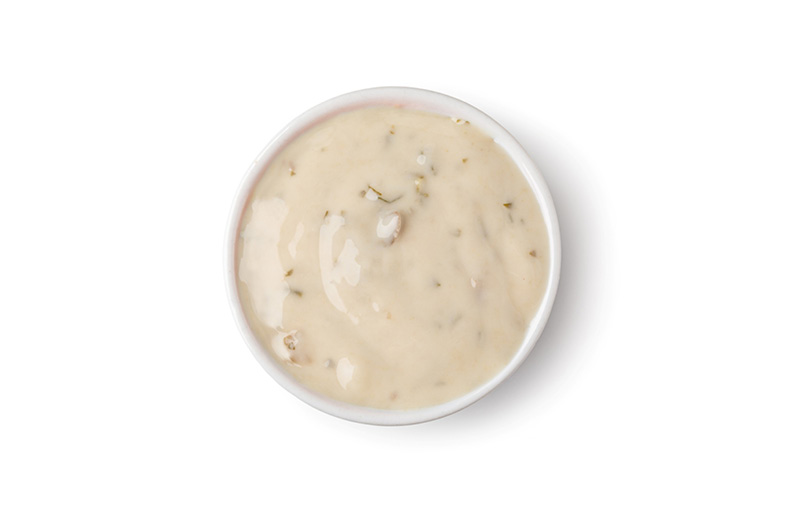
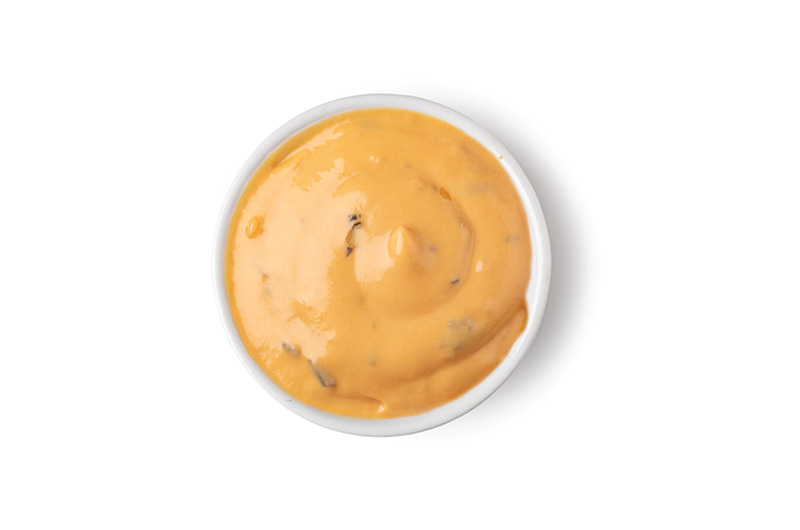
With modular extensions like the CuliFlex technology, you can significantly expand your product range. Our systems are designed for traditional mayonnaise as well as modern alternatives like vegan or low-fat varieties, along with dressings and sauces. This flexibility allows you to quickly adapt to market changes without the need for additional investment.
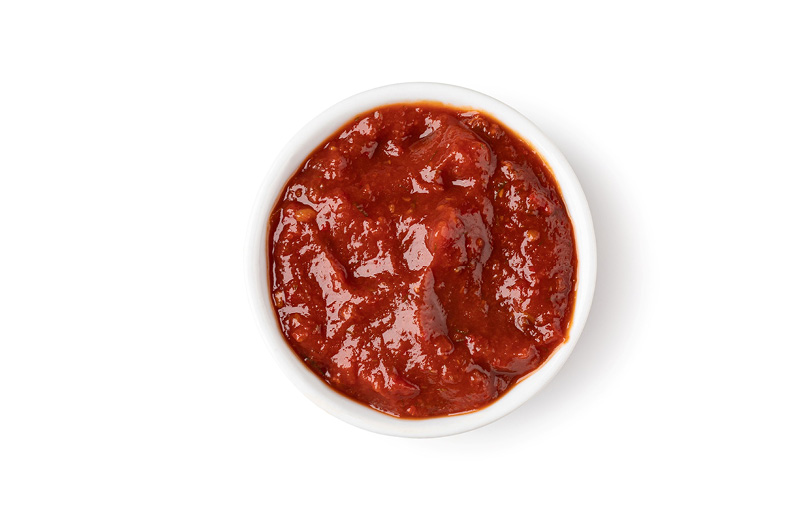
AND WHAT ABOUT KETCHUP?
Mayonnaise, salad dressings, tartar sauce or ketchup – if you want to produce it, ProXES can deliver. Our versatile processing systems are designed to prepare a wide range of sauces. Ask our experts about modular extensions customized to your requirements!
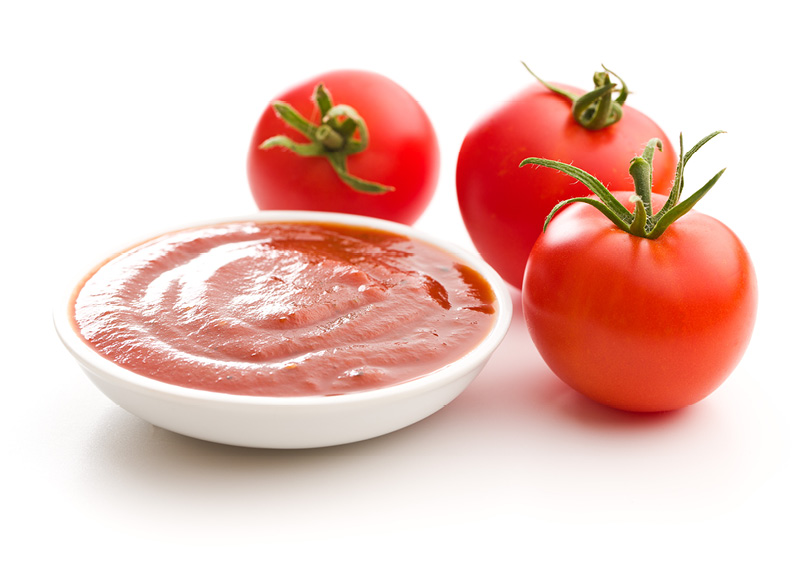
Think Mayonnaise – And So Much More
Why limit yourself to mayonnaise when ProXES can help you create much more? Our advanced processing technologies support the production of soups, and sauces with the highest precision and quality.
Whether it’s small-batch production or high-volume output, ProXES systems are tailored to meet your exact requirements – ensuring flexibility and reliable performance across a wide range of applications.
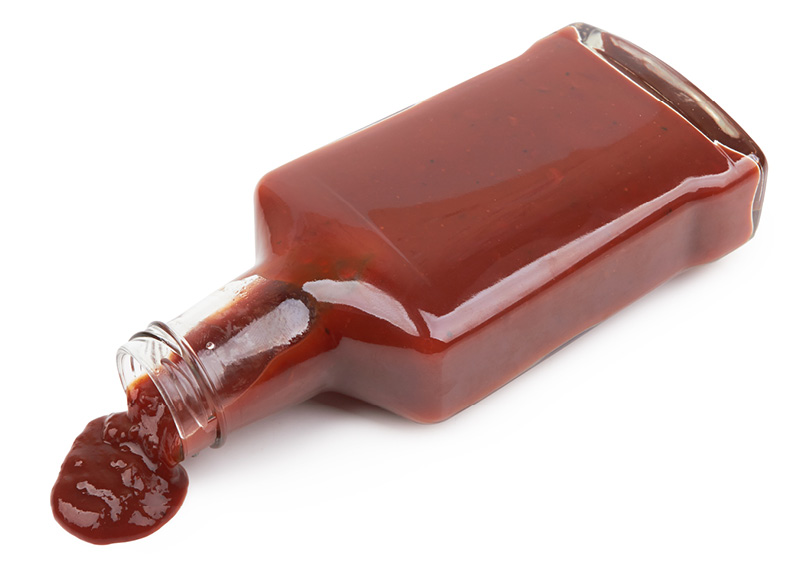
New Ideas for Mayonnaise?
Co-Creation Solutions for Customized Production
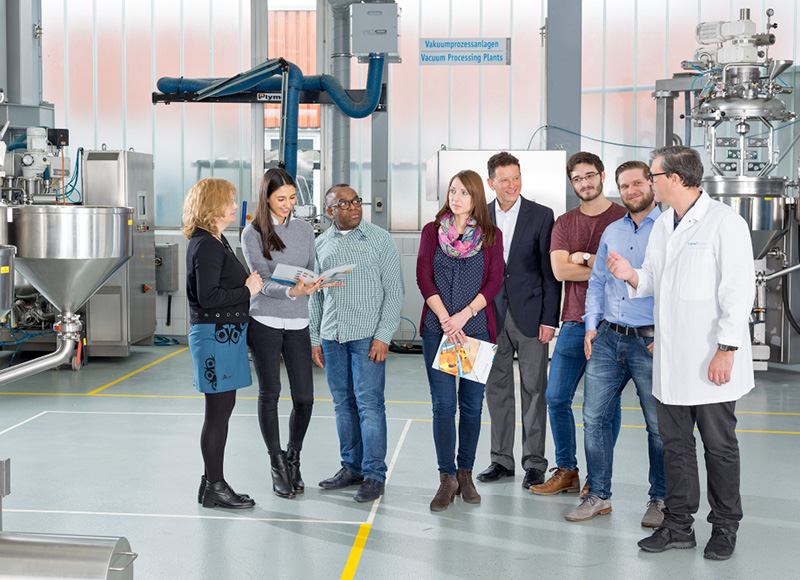
At ProXES, we believe that innovation is key to staying competitive in the evolving mayonnaise market. Our co-creation approach is to support you through every stage of product and process development. Whether you're formulating a new recipe, refining an existing one, or expanding production to meet growing demand, our team of experts is here to collaborate with you.
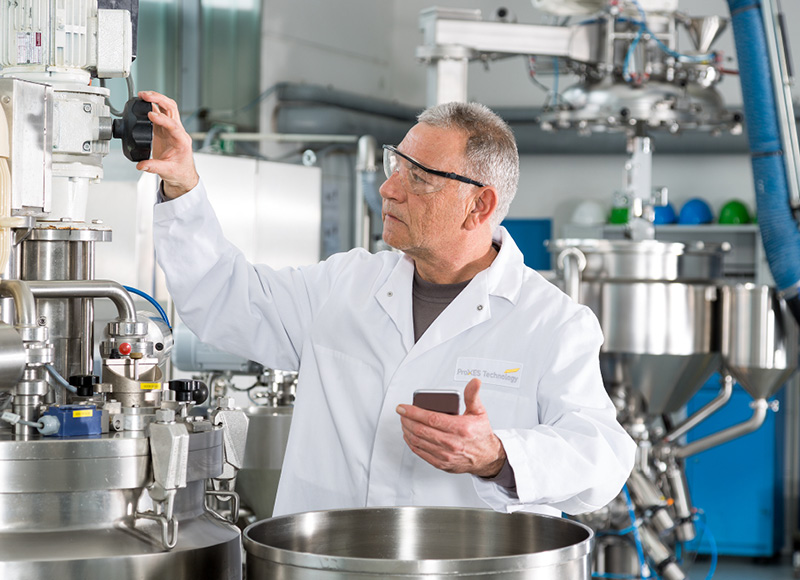
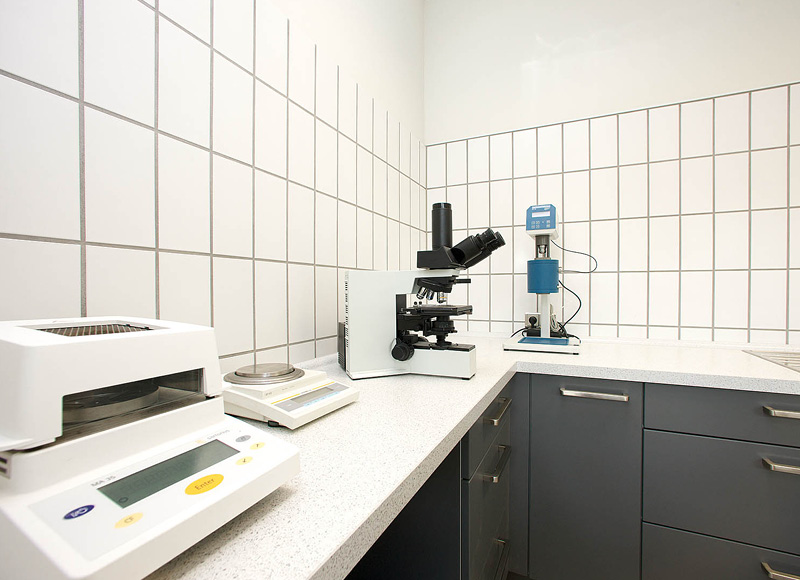
We provide a comprehensive range of services in our state-of-theart Technology Centers, where you can trial new ingredients, test different formulations, and simulate production conditions. By working closely with our technical and technological specialists, you’ll have the opportunity to refine and optimize your mayonnaise products for both quality and scalability.
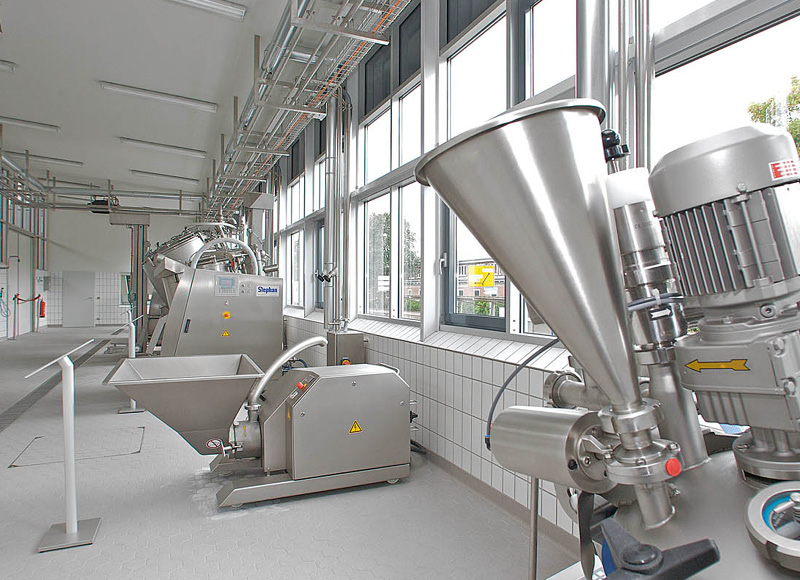
From small-scale test runs to full-scale production, ProXES offers flexible solutions that ensure smooth transitions between product development and market readiness. Our co-creation process empowers you to innovate confidently, whether you're exploring new categories such as vegan, low-fat, or organic mayonnaise, or improving the consistency, texture, and shelf life of traditional recipes.
With our deep industry expertise and cutting-edge technology, you can turn your innovative ideas into commercially successful products, while responding rapidly to consumer trends and market demands.
High-Performance Mayonnaise Lines for Large Production Volumes
For large-scale industrial mayonnaise production, ProXES offers complete, customized solutions tailored to the unique demands of highvolume manufacturers. Our systems combine high efficiency with superior product quality, ensuring that you can consistently meet production targets without compromising on standards. By integrating advanced technologies like ProxxD, we provide seamless, energy-efficient operations designed to boost productivity while reducing costs. Whether you're expanding your product range or scaling up existing operations, ProXES sets new standards in industrial food production, helping you stay competitive in an evolving market.
Results that convince
ProXES embodies innovation through strong partnerships and groundbreaking solutions. In collaboration with leading food manufacturers, we’ve redefined standards in mayonnaise production. One of our trusted long-term partners, renowned for their expertise in sauces and spreads, seamlessly integrated our systems into their operations. The outcome? Enhanced production efficiency, faster development cycles, and the launch of exciting new mayonnaise varieties—all achieved in just a few months.
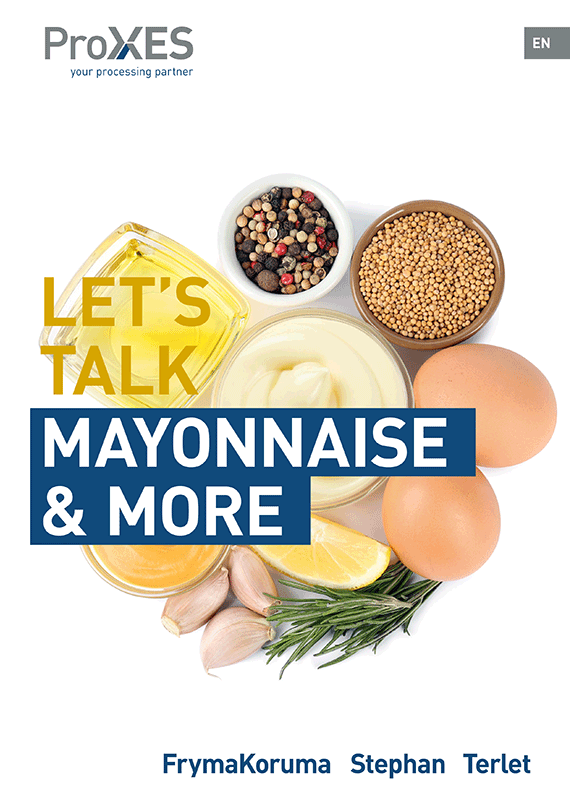
Download our latest factsheet to learn more about ProXES mayonnaise processing plants, including their features, applications, and technical specifications.
NEED TO KNOW MORE? GET IN TOUCH WITH OUR EXPERTS.
FAQ – Industrial Mayonnaise Processing Plants
Below you find answers to common questions.
-
How is mayonnaise made in factories?
In factories, mayonnaise is produced as an oil-in-water emulsion on dedicated processing lines. The process includes weighing and dosing of ingredients, pre-mixing of the aqueous phase (water, vinegar, egg yolk or plant-based lecithin, mustard, salt, sugar), controlled oil dosing at rates up to 3 kg/s, high-shear emulsification into 2–10 micron droplets using a rotor-stator homogenizer, homogenization, cooling (for hot processes), and finally filling into jars, tubes, pouches, or bulk containers. Industrial ProXES mayonnaise processing plants can produce up to 6,000 kg/h of full-fat mayonnaise.
-
What is the difference between hot and cold mayonnaise production?
Cold production uses raw ingredients without heating or cooling steps – energy-efficient, with low initial investment and low maintenance. Hot production allows pasteurisation for microbiological safety, use of natural starches for clean-label products, and lower ingredient cost, and makes the same machines usable for mayonnaise, ketchup, and sauces. ProXES systems including ProxxD and Combitherm support both methods.
-
Can I produce vegan mayonnaise on the same line as traditional mayonnaise?
Yes. To produce vegan mayonnaise, the functionality of the egg yolk (typically 2–10% of a traditional recipe) is covered by a plant-based source of lecithin – soy is common, but sunflower lecithin is also widely used. Taste and color can be adjusted with plant-based flavor and colorant. The process steps can remain largely unchanged in both batch and continuous emulsifying systems, though soy lecithin tends to be slightly less efficient than egg-yolk lecithin, so process parameters like temperature and pre-mixing should be optimized accordingly.
-
What machines are used in an industrial mayonnaise processing plant?
A complete mayonnaise processing plant typically combines several industrial mayonnaise machines: an emulsifier (such as the ProxxD, up to 6,000 kg/h), a continuous processing module (CuliFlex) for starch pastes in low-fat recipes, a vacuum processing unit (Vacutherm) to prevent air incorporation, a large-batch thermal unit (Combitherm, up to 1,200 l / 3,600 kg/h), and a universal machine (Stephan) for smaller batches up to 1,000 kg/h. All can be combined into a single production line depending on capacity and recipe requirements.
-
What production capacity can I expect?
Capacity depends on the configuration. The ProxxD delivers up to 6,000 kg/h for full-fat mayonnaise and up to 4,000 kg/h for low-fat mayonnaise (30% oil). Stephan Universal Machines handle up to 1,000 kg/h for smaller batches, while Combitherm systems reach up to 3,600 kg/h with 1,200 l usable volume. Modern ProXES lines can produce up to 10,000 liters per hour in full configuration.